

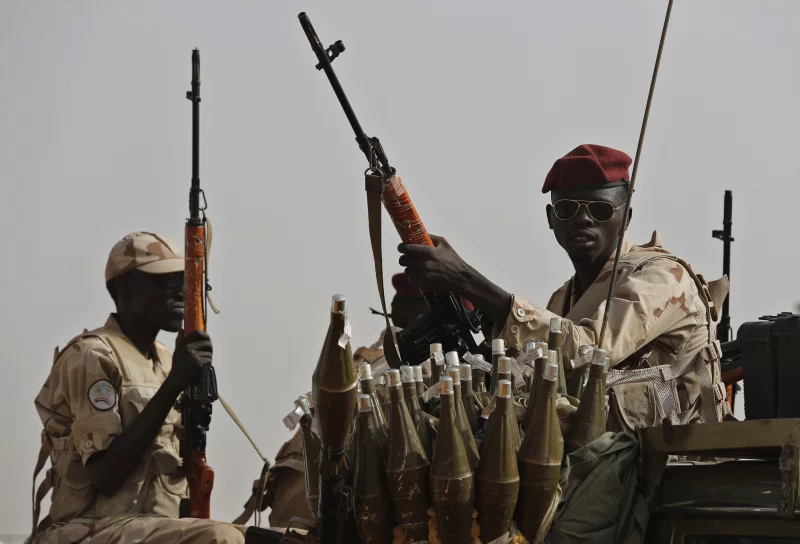
Three years after the outbreak of war in Sudan, the country remains trapped in one of Africa’s most severe and protracted crises, with escalating humanitarian needs and no clear political resolution in sight. Fighting erupted on 15 April 2023 between the Sudanese Armed Forces (SAF) and the Rapid Support Forces (RSF), following months of tension over a failed plan to integrate the paramilitary group into the national army after the 2021 military takeover. The conflict, now widely referred to as the Sudan conflict 2023–present, has since spiraled into a nationwide war with devastating consequences.
According to international agencies, tens of thousands have been killed, while more than 10 million people have been displaced, creating one of the world’s largest displacement crises. The capital, Khartoum, has been among the hardest hit, with critical infrastructure destroyed and basic services largely collapsed, leaving civilians without access to healthcare, food, and clean water.
On the third anniversary of the conflict, international attention has turned once again to diplomatic and humanitarian efforts. A high-level conference is being held today in Germany, bringing together government representatives, aid organizations, and global stakeholders to address the worsening situation in Sudan. The meeting is focused on revitalizing peace efforts, mobilizing humanitarian assistance, and exploring pathways toward a sustainable political solution. Key actors including the United Nations and the African Union have reiterated urgent calls for a ceasefire and renewed dialogue.
Parallel to the conference, a global fundraising drive has been launched to support those affected by the war. The initiative aims to raise funds for emergency food aid, medical services, clean water supply, and assistance to displaced populations both in and outside Sudan. While several countries and humanitarian partners have pledged millions of dollars, aid agencies warn that funding gaps remain significant in the face of rapidly growing needs.
The conflict has also triggered a regional refugee crisis, with hundreds of thousands fleeing to neighboring countries including Chad, South Sudan, and Egypt, placing additional strain on already limited resources in host communities.
Despite intensified international engagement, fighting continues across multiple regions of Sudan, with the security situation remaining volatile and the economy in deep decline. Analysts warn that without a credible and inclusive political settlement, the country risks further fragmentation and prolonged instability, leaving millions of civilians caught in an increasingly dire humanitarian emergency.
Leave a Reply