

Dar es Salaam | Africa Desk
Governments across Africa are stepping up regulatory oversight and enforcement measures to secure fuel supplies, as volatility in global energy markets raises concerns over potential shortages and price instability.
The coordinated responses come against the backdrop of rising geopolitical tensions, particularly between the United States and Iran, which continue to disrupt global supply chains and drive uncertainty in fuel pricing.
Tanzania Moves to Curb Hoarding and Protect Supply Chains
In Tanzania, authorities have adopted a firm stance against fuel hoarding, warning traders against withholding supply in anticipation of higher prices.
Energy Minister Deogratius Ndejembi has instructed the Energy and Water Utilities Regulatory Authority (EWURA) to intensify market surveillance and enforce compliance across the fuel distribution network.
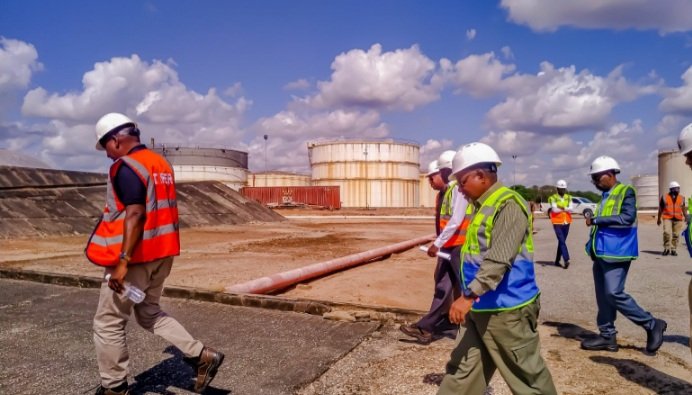
The government has also established a multi-agency task force comprising the Petroleum Bulk Procurement Agency (PBPA), EWURA, the Tanzania Petroleum Development Corporation (TPDC), and security agencies to monitor fuel imports and logistics in real time.
Officials say the initiative is aimed at ensuring timely delivery of shipments, safeguarding contractual obligations, and preventing diversion of supply. Authorities have further reassured the public that Tanzania holds sufficient fuel reserves to meet domestic demand through mid-2026, while pledging continued enforcement against speculative practices and unjustified price increases.
Zambia Issues Similar Warning to Fuel Traders
A similar approach has been observed in Zambia, where President Hakainde Hichilema has cautioned fuel traders against hoarding, warning that attempts to manipulate supply for profit will not be tolerated. Hichilema underscored the importance of energy security, describing it as a critical pillar of economic stability and public welfare.
The warning forms part of broader efforts by Zambian authorities to maintain steady supply and shield consumers from the effects of global market shocks.
Continental Trend Toward Market Stabilisation
Analysts say the actions by Tanzania and Zambia reflect a broader continental trend, with African governments increasingly intervening to stabilise domestic fuel markets.
Key policy measures being implemented include:
Enhanced regulatory surveillance
Strengthening of strategic fuel reserves
Tightened control over importation and distribution channels
Enforcement against market manipulation and speculative pricing
These interventions are seen as critical in insulating local economies from external shocks and maintaining supply continuity.
Global Pressures Drive Local Action
Global fuel markets have experienced significant turbulence in recent months, with price spikes reported in several regions. The ongoing geopolitical tensions and supply chain disruptions have heightened the risk of supply diversion, as traders seek higher returns in more lucrative markets.
This has prompted governments, particularly in fuel-importing African economies, to adopt proactive measures to secure domestic supply.
Outlook
The latest policy responses signal a more assertive approach by African governments in managing fuel supply risks, with a clear emphasis on market discipline, supply security, and consumer protection. As global uncertainties persist, sustained regulatory vigilance is expected to remain central to safeguarding energy stability across the continent.
Leave a Reply